
The truth is that not all car warning lights mean the same thing. Some are simply letting you know that a system is switched on, while others are warning signs of a mechanical, safety or electrical system fault that needs attention. Understanding the difference can help you avoid unnecessary repair bills, reduce the risk of a breakdown and, most importantly, keep you safe on the road.
In this guide, we'll explain 10 of the most common car dashboard warning lights, what they mean, when you can keep driving, and when you should stop immediately. While the symbols can vary slightly between manufacturers, your owner's manual is always the best place to check what a specific warning light means for your vehicle. Keeping up with regular servicing - and having reliable car insurance with roadside assistance in place - can also make dealing with unexpected car trouble much less stressful .
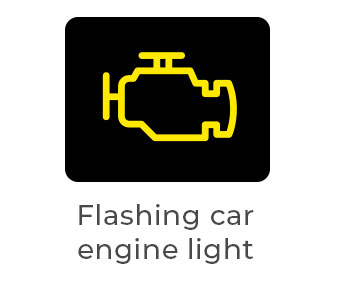
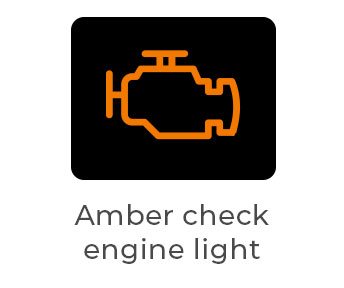
What Does the Check Engine Light Mean?
The car engine light is one of the most common dashboard warnings. It can be triggered by something relatively minor, like a faulty sensor, or point to a more serious issue affecting the engine or emissions system.
Possible causes include:
- A faulty sensor
- An emissions system fault
- Ignition or fuel system problems
- A failing fuel pump
- Engine performance issues
If the car engine light is amber, you can usually continue driving carefully while arranging for the vehicle to be inspected as soon as possible.
If the light is flashing, stop driving as soon as it's safe. Continuing to drive could cause serious engine damage.
Even if your vehicle feels normal, it's a good idea to book a diagnostic check. A technician can identify whether the warning has been triggered by a faulty sensor, fuel pump, emissions component or another engine-related issue before it becomes more serious.
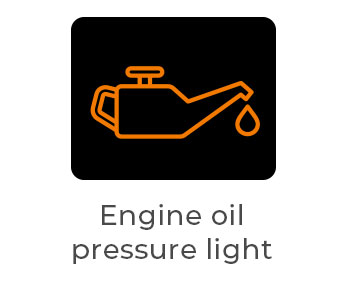
What Does the Engine Oil Pressure Light Mean?
If the engine oil pressure light, or oil light on your car, comes on, don't ignore it. A low engine oil pressure warning means your engine may not be receiving enough lubrication, which can cause severe damage in a matter of minutes.
Possible causes include:
- Low engine oil
- A failing oil pump
- A blocked oil filter
- Low oil pressure
If this warning appears:
- Pull over somewhere safe.
- Switch off the engine.
- Check the oil level if it's safe to do so.
- If the warning remains, don't continue driving. Arrange for your vehicle to be recovered.
What Does the Battery Warning Light Mean?
A battery warning light doesn't always mean the battery itself needs replacing. More often, it points to a fault within your vehicle's charging or electrical system.
Common causes include:
- A failing alternator
- A worn battery
- A damaged drive belt
- An electrical fault
Your car may continue running for a short time, but once the battery loses charge, the engine could stop. Have the problem checked as soon as possible.
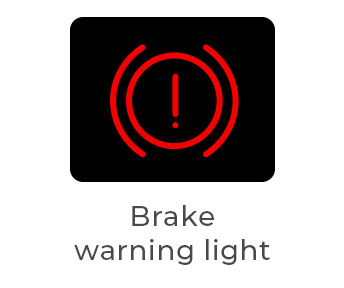
What Does the Brake Warning Light Mean?
A brake warning light is one of the most important car dashboard warning lights and should never be ignored.
It could indicate:
- Low brake fluid
- Worn brake pads
- A brake system fault
- The parking brake is still engaged
If the light remains on after releasing the handbrake, stop driving as soon as it's safe and have the braking system inspected immediately.
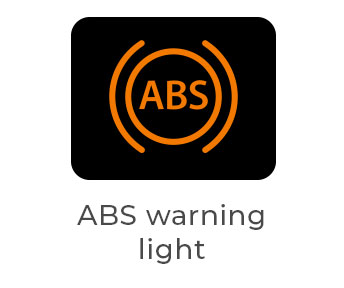
What Does the ABS Warning Light Mean?
The ABS (anti-lock brake system) warning light means there's a fault with the system designed to prevent your wheels from locking during emergency braking.
Your standard brakes will usually still work, but the anti-lock braking function may not. Drive carefully and arrange for the system to be checked as soon as possible.
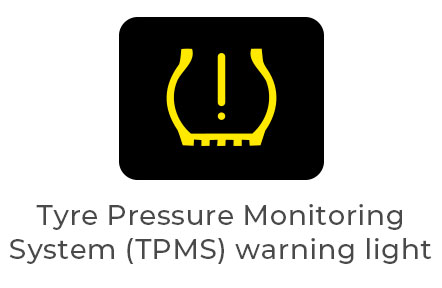
What Does the Tyre Pressure (TPMS) Warning Light Mean?
The tire pressure warning, also known as the tyre pressure monitoring system (TPMS) warning light, indicates that one or more tyres may be underinflated.
Driving with incorrect tire pressure can:
- Reduce grip on the road
- Increase stopping distances
- Cause uneven tyre wear
- Increase fuel consumption
- Raise the risk of a tyre blowout
Check your tyre pressures as soon as it's safe to do so.
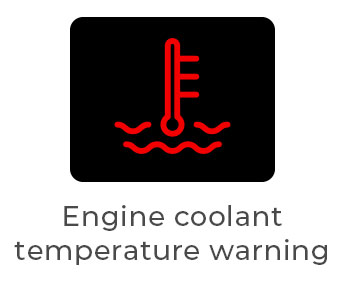
What Does the Engine Coolant Temperature Warning Mean?
The engine coolant temperature warning appears when your engine is getting too hot. This usually points to a problem within the coolant system and ignoring it could result in serious engine damage.
Common causes include:
- Low coolant levels
- A leak in the coolant system
- A faulty radiator
- Water pump failure
If this warning appears, pull over safely, switch off the engine and allow it to cool before checking coolant levels. Never remove the radiator cap while the engine is still hot.
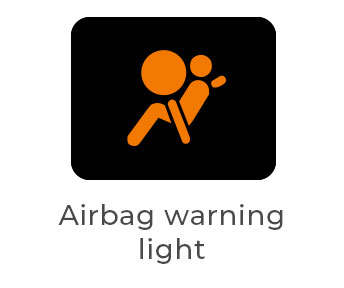
What Does the Airbag Warning Light Mean?
The airbag warning light is a fault warning light that indicates there may be a problem with the airbag system or another part of your vehicle's supplementary restraint system.
The warning could indicate a fault with:
- The airbags
- Seatbelt pretensioners
- Crash sensors
Although your car may still be driveable, these safety systems may not work properly if you're involved in a collision. Arrange to have the fault checked as soon as possible.
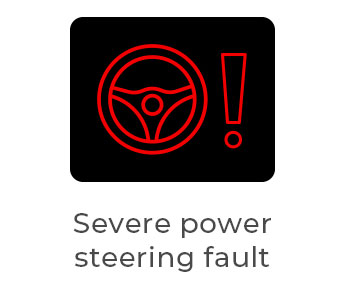
What Does the Power Steering Warning Light Mean?
The power steering warning light indicates a fault with the power steering system, which provides steering assistance while you're driving.
If the steering suddenly feels heavier than normal, don't ignore it. Reduced steering assistance can make your vehicle more difficult to control, particularly at lower speeds. Have the system inspected before continuing to drive long distances.
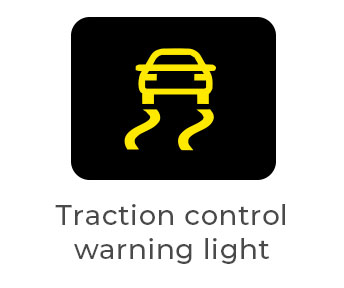
What Does the Traction Control Warning Light Mean?
Your vehicle's traction control or stability control system helps maintain grip on slippery roads. If the warning light flashes occasionally, the system is working as intended. If the light remains, there may be an issue with the traction or stability control system. While the vehicle may still be safe to drive, it's worth arranging an inspection as soon as possible.
Which Car Warning Lights Mean You Should Stop Driving Immediately?
Some car warning lights require immediate action because they could affect your safety or cause significant mechanical damage.
Which Dashboard Warning Lights Can Usually Wait?
Not every yellow warning light in your car or orange warning light on your car means you need to stop immediately.
The following warning lights usually allow you to continue driving carefully while arranging a service:
Even if your vehicle feels normal, don't ignore these warnings for too long.
What Do the Colours of Dashboard Warning Lights Mean?
The colour of a warning light is often the easiest way to understand how urgently you should act.
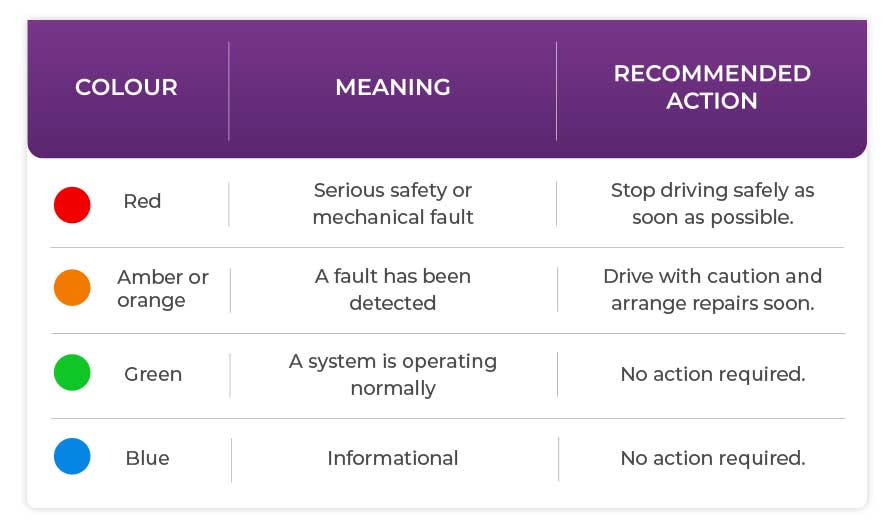
While an orange warning light on your car isn't usually as urgent as a red one, it should still be investigated to avoid more costly repairs later on.
Why Is My Dashboard Lit Up Like a Christmas Tree?
If several car light symbols appear at the same time, it's often one of the clearest warning signs that your vehicle has a larger electrical system problem.
Possible causes include:
- A failing battery
- A faulty alternator
- Low system voltage
- Electrical wiring faults
If multiple warning lights appear together, particularly if your vehicle begins losing power, have it inspected as soon as possible.
How Can Regular Vehicle Maintenance Help Prevent Warning Lights?
Many dashboard warning lights don't appear without reason. In most cases, they develop gradually as components wear over time or routine maintenance is delayed.
Simple checks can help reduce the risk of unexpected problems:
- Check your oil level regularly.
- Monitor tyre pressures.
- Keep coolant topped up.
- Replace worn brake pads when needed.
- Follow your manufacturer's recommended service schedule.
Regular servicing helps identify small issues before they become expensive repairs, reducing the likelihood of breakdowns and keeping your vehicle safer on the road.
What Should You Do if Your Car Breaks Down?
Even well-maintained vehicles can develop unexpected faults.
If your car breaks down after a warning light appears:
- Pull over somewhere safe.
- Turn on your hazard lights.
- Exit the vehicle safely if necessary and wait away from moving traffic.
- Contact your roadside assistance provider.
- Don't continue driving if a serious warning light is displayed.
If you're ever unsure what a warning light means, consult your owner's manual or arrange a check with a garage before getting back on the road.
Stay One Step Ahead of Car Problems
Your dashboard warning lights are designed to give you an early indication that something isn't right. While some lights simply mean it's time to book a service, others point to faults that need immediate attention to keep you and your passengers safe.
Knowing the difference between a routine maintenance reminder and a more serious warning can help you avoid costly repairs, reduce the risk of a breakdown and drive with greater confidence.
Regular servicing is one of the best ways to prevent unexpected issues, but even the most well-maintained vehicles can develop faults. That's why it's worth making sure you're prepared for the unexpected with comprehensive car insurance with roadside assistance. Explore OUTsurance's car insurance options to help keep you protected, wherever the road takes you.